

Construction projects no longer require every decision-maker to be on-site every day. Thanks to cloud-based software, real-time communication tools, and digital monitoring solutions, companies can now manage many aspects of a project from virtually anywhere.
Remote construction management allows project managers, engineers, and business owners to oversee operations, monitor progress, coordinate teams, and resolve issues without being physically present at every job site. While site visits still play an important role, remote management helps construction firms improve efficiency, reduce costs, and keep projects moving forward.
As the construction industry becomes increasingly connected, businesses that embrace remote project management are better positioned to complete projects on time and adapt to changing client demands.
What Is Remote Construction Management?

Remote construction management is the practice of planning, coordinating, and supervising construction projects using digital technology instead of relying solely on on-site management.
Project managers use cloud-based platforms, communication software, mobile applications, and monitoring tools to oversee daily operations, track project milestones, and collaborate with field teams from any location.
Rather than replacing site supervisors, remote management strengthens communication between office staff and field personnel, making projects more organized and responsive.
Common responsibilities include:
- Project scheduling
- Budget tracking
- Document management
- Team coordination
- Progress reporting
- Quality assurance
- Risk management
- Stakeholder communication
This approach allows construction companies to manage multiple projects more efficiently while maintaining visibility across every phase of construction.
Can Construction Projects Be Managed Remotely?
Yes. Many construction management responsibilities can now be handled remotely through the right combination of technology and experienced project leadership.
While inspections, equipment oversight, and physical quality checks still require personnel on-site, many administrative and management tasks can be completed from a remote office.
Examples include:
- Reviewing project schedules
- Coordinating subcontractors
- Approving documentation
- Managing RFIs and change orders
- Monitoring budgets
- Tracking project progress
- Hosting coordination meetings
- Communicating with clients
By combining remote management with on-site supervision, construction companies gain greater flexibility without sacrificing project quality.
Why More Construction Companies Are Embracing Remote Management
Construction has traditionally depended on face-to-face coordination, but changing workforce expectations and advances in technology have transformed how projects are managed.
Today’s construction firms need faster communication, better visibility, and the ability to manage multiple job sites simultaneously. Remote construction management helps achieve these goals by centralizing information and making collaboration easier across offices, field teams, and clients.
Companies that adopt digital workflows often experience:
- Faster decision-making
- Improved project transparency
- Better resource allocation
- Reduced administrative work
- Greater operational efficiency
Instead of waiting for paperwork or in-person meetings, teams can access real-time information whenever they need it.
Technologies That Power Remote Construction Management
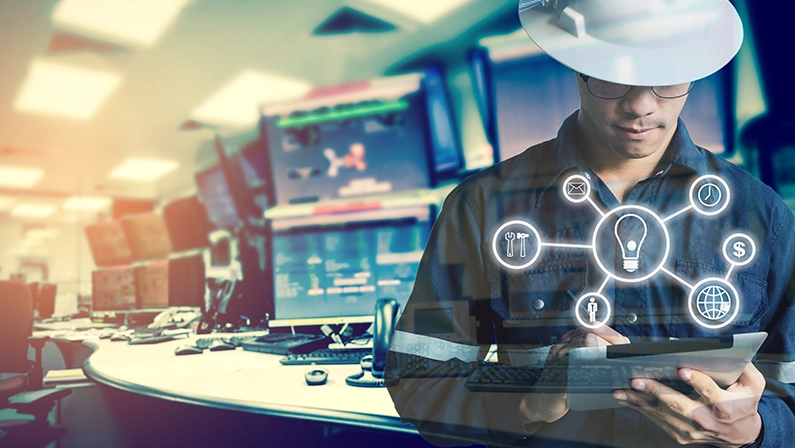
Modern construction projects rely on several technologies that make remote collaboration possible.
Cloud-Based Construction Management Platforms
Cloud software serves as the central hub for project information.
Popular platforms allow teams to:
- Store project documents
- Update schedules
- Share drawings
- Manage change orders
- Track budgets
- Coordinate workflows
Because information is stored securely in the cloud, everyone works from the latest version of project data.
Communication and Collaboration Tools
Strong communication keeps construction projects moving.
Video conferencing, messaging platforms, and collaborative workspaces allow project managers, engineers, subcontractors, and clients to communicate without waiting for on-site meetings.
These tools also make it easier to resolve issues before they delay construction.
Mobile Project Management Apps
Construction teams spend most of their time in the field.
Mobile applications allow supervisors and workers to:
Upload Site Photos
Visual updates provide project managers with immediate insight into job site progress.
Complete Daily Reports
Digital reporting reduces paperwork while improving documentation accuracy.
Share Real-Time Updates
Field teams can communicate delays, completed tasks, or material deliveries instantly.
Drones and Remote Site Monitoring
Drone technology has become an important part of remote construction management.
High-resolution aerial images allow project managers to:
- Inspect large job sites
- Track construction progress
- Compare completed work with project plans
- Identify safety concerns
- Monitor equipment placement
Remote cameras provide continuous visibility without requiring constant site visits.
Artificial Intelligence and Automation
Artificial intelligence is helping construction companies make better decisions through predictive analytics and automation.
AI-powered tools can assist with:
- Schedule forecasting
- Budget monitoring
- Resource planning
- Risk identification
- Progress reporting
Automating repetitive administrative work allows project managers to focus on solving higher-value challenges.
Benefits of Remote Construction Management
Remote project management offers advantages that extend beyond convenience.
Lower Operating Costs
Reducing unnecessary travel, paperwork, and administrative overhead helps companies allocate resources more efficiently.
Digital workflows also reduce printing, storage, and document management expenses.
Access to Skilled Professionals
Construction companies are no longer limited to hiring talent within a single geographic area.
Remote staffing makes it easier to work with experienced project coordinators, estimators, schedulers, and administrative professionals from around the world.
Better Project Visibility
Real-time dashboards provide managers with immediate insight into project status, budgets, schedules, and team performance.
Instead of waiting for weekly reports, leadership can make informed decisions using current project data.
Increased Productivity
Automated workflows eliminate repetitive administrative tasks while improving collaboration between office and field teams.
When information moves faster, projects tend to move faster as well.
Greater Flexibility
Remote management makes it easier to oversee multiple construction sites simultaneously.
This flexibility allows businesses to expand operations without proportionally increasing management costs.
Common Challenges of Remote Construction Management
Although remote management offers many advantages, successful implementation requires careful planning.
Communication Gaps
Construction involves many moving parts.
Without clear communication processes, misunderstandings can create delays or costly mistakes.
Best Practice
Establish standardized reporting procedures, scheduled meetings, and centralized communication channels.
Technology Adoption
Some teams may need additional training before using new software effectively.
Providing onboarding and ongoing support improves adoption and reduces frustration.
Internet Connectivity
Some construction sites may have limited internet access, making cloud-based collaboration more difficult.
Offline-enabled mobile applications and backup connectivity solutions help reduce disruptions.
Maintaining Accountability
Managing remote teams requires clear expectations.
Project managers should establish measurable goals, assign responsibilities, and regularly review project performance to maintain accountability.
Data Security
Construction projects involve sensitive financial information, contracts, and proprietary documents.
Using secure cloud platforms with role-based permissions helps protect company data.
Best Practices for Successful Remote Construction Project Management
Technology alone does not guarantee project success.
Construction companies achieve the best results by combining digital tools with well-defined processes.
Standardize Workflows
Consistent procedures improve communication and reduce confusion across projects.
Use Centralized Documentation
Keeping project information in one location minimizes version control issues and improves collaboration.
Schedule Regular Progress Reviews
Routine meetings help identify obstacles before they impact deadlines.
Invest in Employee Training
Teams that understand how to use project management software work more efficiently and communicate more effectively.
Measure Performance
Tracking key performance indicators allows managers to identify opportunities for continuous improvement.
How Remote Staffing Supports Construction Companies
As construction firms take on larger and more complex projects, many are expanding their teams with remote professionals who provide administrative and project management support.
Remote construction staff can assist with:
- Project coordination
- Scheduling
- Document control
- Procurement support
- Vendor communication
- Data entry
- Reporting
- Client updates
- Estimating support
- Administrative tasks
Delegating these responsibilities allows on-site personnel to focus on construction activities while improving overall project organization.
Why Partner With WithPort for Remote Construction Management Support?
Building an efficient construction team requires more than hiring skilled workers in the field. Administrative support, project coordination, and organized communication are equally important for keeping projects on schedule.
WithPort helps construction companies strengthen their operations by providing experienced remote professionals who integrate seamlessly with existing teams. Whether you need project coordinators, administrative assistants, scheduling support, or virtual construction management professionals, WithPort connects your business with qualified talent that can help improve efficiency without the expense of expanding your internal workforce.
Every remote professional is carefully matched to your business needs, allowing your team to stay focused on delivering successful construction projects.
Build Smarter Construction Projects With Remote Management

Construction management continues to evolve as technology creates new ways to collaborate, monitor progress, and manage complex projects. Remote construction management gives businesses greater visibility, improved communication, and more flexibility while helping reduce operational costs.
By combining experienced project leadership with modern digital tools and reliable remote staffing, construction companies can improve productivity and support sustainable growth.
If you’re looking to strengthen your construction operations with experienced remote professionals, WithPort can help you build a team that keeps every project organized, efficient, and moving forward.